
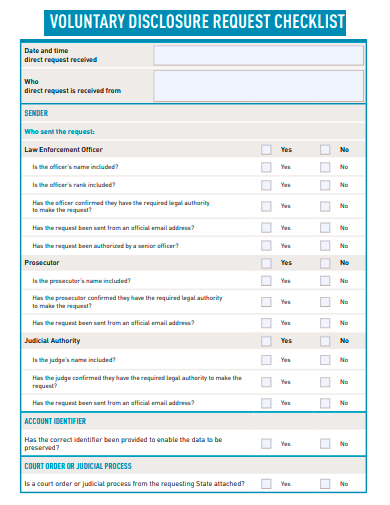
Understanding Voluntary Disclosure: Benefits, Risks, and Best Practices
Voluntary disclosure is a proactive strategy employed by individuals or organizations to report non-compliance with laws, regulations, or internal policies. This approach is significant in various sectors, particularly in finance, healthcare, and environmental compliance. Individuals and corporations that engage in voluntary disclosure take a step towards transparency and accountability. This article delves into the key aspects of voluntary disclosure, highlighting its benefits, risks, and practical tips for implementation. For a more detailed exploration of voluntary disclosure in sanctions cases, you can visit
information on voluntary disclosure https://ameqme.com/pages/voluntary-disclosure-in-sanctions-cases-benefits-and-risks.html.

What is Voluntary Disclosure?
Voluntary disclosure refers to the act of voluntarily informing regulatory authorities or relevant stakeholders about a breach of law or compliance issue. This can include corporate misconduct, tax anomalies, environmental violations, or healthcare fraud. The primary goal is to rectify the issue before it escalates, preventing potential legal troubles and restoring stakeholder trust.
Why is Voluntary Disclosure Important?
In today’s increasingly regulated environments, transparency has become crucial. Organizations that practice voluntary disclosure not only foster trust among stakeholders but also mitigate the risks associated with undisclosed violations. By coming forward voluntarily, organizations demonstrate their commitment to ethical practices and compliance. It’s a proactive measure that can lead to favorable outcomes, including reduced penalties and improved reputations.
The Benefits of Voluntary Disclosure
- Reduced Penalties: Regulatory agencies often impose more lenient penalties on organizations that come forward voluntarily compared to those caught in the act.
- Restoration of Trust: By disclosing issues, organizations can regain the trust of stakeholders, including customers, investors, and regulatory bodies.
- Operational Improvements: Identifying and addressing compliance issues can lead to better operational practices, preventing future violations.
- Legal Protection: In some jurisdictions, voluntary disclosure can provide legal immunity or protection from certain liabilities.
- Enhanced Reputation: Organizations that practice transparency are often viewed more favorably in the eyes of the public and the market.
The Risks of Voluntary Disclosure
Although voluntary disclosure offers numerous benefits, it is not without risks. Organizations must weigh the potential repercussions of coming forward. Some of the risks include:
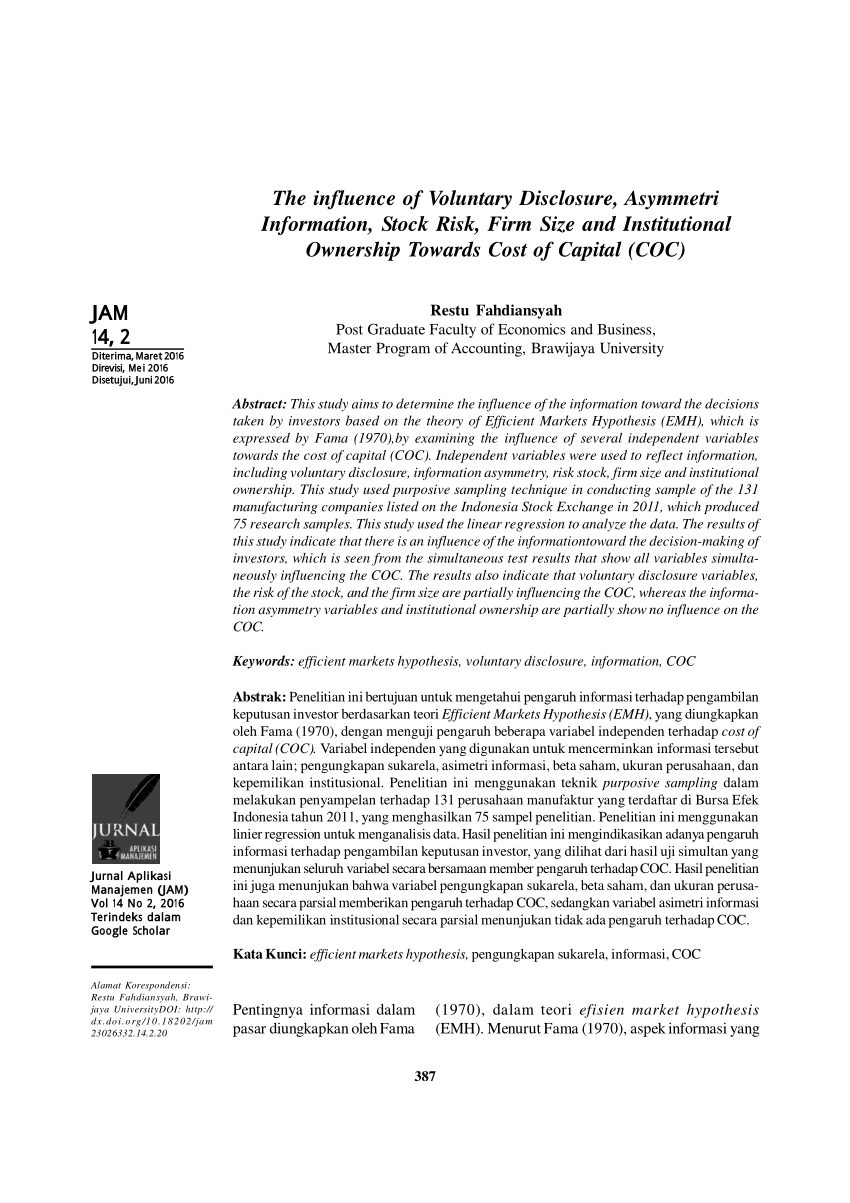
- Admission of Guilt: By disclosing a violation, organizations might be perceived as admitting wrongdoing, which can harm their reputation.
- Financial Consequences: The costs associated with fines, legal fees, and potential loss of business can be significant.
- Regulatory Scrutiny: Once a disclosure is made, organizations may face increased scrutiny from regulatory agencies.
- Impact on Stakeholder Relationships: Disclosures can strain relationships with customers, investors, and other stakeholders.
Best Practices for Voluntary Disclosure
To navigate the complexities of voluntary disclosure effectively, organizations should consider the following best practices:
- Conduct a Thorough Internal Investigation: Before disclosing any information, it’s crucial to understand the full scope of the issue. Conducting a comprehensive internal investigation helps organizations gauge the severity of the violation and prepare appropriate disclosures.
- Consult Legal Counsel: Engaging with legal experts specializing in compliance and regulatory matters can ensure that organizations make informed decisions about disclosure and understand the legal implications.
- Develop a Comprehensive Disclosure Strategy: The disclosure process should be carefully planned. Organizations should determine the right regulatory authorities to approach, the timing of the disclosure, and the information to be disclosed.
- Communicate Internally: It’s essential to keep employees informed about the situation. Transparent communication helps maintain morale and build trust within the organization.
- Monitor Compliance and Implement Changes: Following a disclosure, organizations should actively monitor compliance and make necessary changes to policies and procedures to prevent future violations.
Conclusion
Voluntary disclosure represents a pathway for organizations to achieve ethical compliance and restore stakeholder trust. While it holds significant benefits, including reduced penalties and improved reputations, it also comes with inherent risks that organizations must carefully consider. By implementing best practices, conducting thorough investigations, and seeking legal counsel, organizations can navigate the complexities of voluntary disclosure. Ultimately, the decision to disclose should be seen not just as a legal obligation, but as a commitment to transparency and ethical governance.